Software engineering is one of the most popular and desired jobs worldwide. Due to the expansion of technology in every aspect of life, the software industry has created a large market and offers a wide range of lucrative positions.
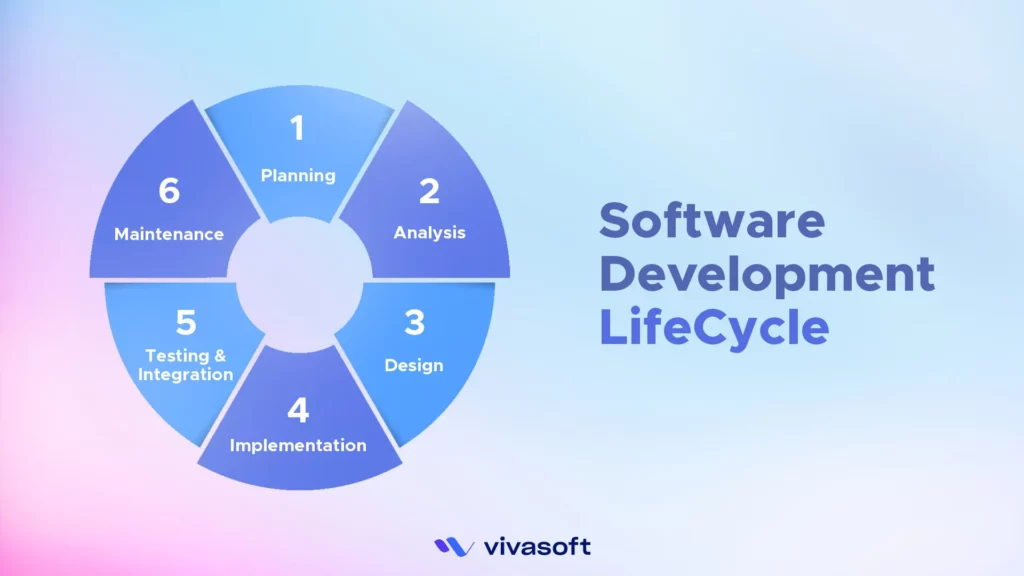
A user-friendly software needs some basic attributes like testing, analysis, and making necessary updates when needed. So from top to bottom, software job engineering
requires sharp and consistent employees. So there are a variety of challenging jobs in this field.
15 Types of Software Engineering Jobs
There are several types of software engineering jobs. To get this high-demand job, an individual must have some basic skills. We have identified the 15 most popular jobs. You must acquire these basic language skills to get hired for these jobs. Follow the table to learn about those skills.

| Job Title | Skills |
|---|---|
| Frontend Developer |
|
| Backend developer |
|
| Full-Stack Developer |
|
| Mobile App Developer |
|
| DevOps Engineer |
|
| Machine learning Engineer |
|
| Software Architect |
|
| Security Engineer |
|
| Data Engineer |
|
| Game Developer |
|
| Quality Assurance Engineer |
|
| Cloud Engineer |
|
| Embedded System Engineer |
|
| AI Engineer |
|
| Business Development Engineer (BI) developer |
|
1. Frontend Developer
A frontend developer focuses on building a user interface and parts of web applications. He works on creating a smooth appearance for high-quality websites. Frontend developers add interactive buttons, images, animation, and other necessary aspects. Combination of these aspects leads to a better experience for the user.
Responsibilities:
- Creating interfaces with technologies like JavaScript, HTML, and CSS
- Transforming the designer’s vision into reality
- Ensuring a responsive and smooth user experience
- Building high-quality reusable user interfaces
Career Growth:
Frontend developers can progress to senior roles in their workplace. A skilled front-end developer can easily move into UI/UX design or full-stack development.
2. Backend Developer
The backend developer is a software developer who builds the total structure of software or web applications. He also works on implementation, functional logic, and system performance.
Responsibilities:
- Creating and maintaining databases
- Writing server-side logic
- Creating scalable infrastructure for the application
- Securing better performance and high availability
- Confirming the application is ready to be deployed as a microservice architecture
Career Growth:
An experienced backend developer can move into database administration, system architecture, and security engineer positions. By achieving strong communication skills, and assembling a solid portfolio he can also move into senior leadership positions.
3. Full-Stack Developer
A full-stack developer manages both the frontend and backend parts of a web application. He also contributes to multiple project components.
Responsibilities:
- Managing the client-side and server-side parts of the application
- Working on different project components through multiple programming languages and frameworks
- Building scalable and fast responsive applications
Career Growth:
A full-stack developer often works as a technical lead and software architect positions. He gains experience through participating in large scale applications. Eventually, a full-stack developer can turn his career into a DevOps engineer by achieving development and operational skills.
4. Mobile App Developer
Mobile app developers create software applications for mobile devices. There are two popular operating systems for mobile apps. iOS and Android are the most widely used mobile software.
Responsibilities:
- Developing mobile apps for both iOS and Android software systems
- Building apps using Swift (iOS) and Java/Kotlin for Android platforms
- Developing cross-platform functionalities
- Using Python for data analysis and server-side components
- Conducting cross-platform necessary QA processes
- Building user-friendly user interfaces
- Integrating payment gateways with location services
Career Growth:
A mobile app developer can work as a team lead and technical lead. Eventually, he may also transfer to a product manager role by contributing strategies and vision of the app. An expert mobile developer can leverage his skills to open his startup.
5. DevOps Engineer
A DevOps developer works to ensure smooth operations during the software development life cycle. He is an IT professional who combines development as well as operation. He also monitors the applications.
Responsibilities:
- Selecting the right tools for automation as well as management
- Designing an appropriate process for software formation
- Maintaining servers and storage devices
- Maintaining virtualization machine
Career Growth:
A DevOps engineer can advance their career by gaining automation expertise and other DevOps expertise. He can move his career as a team leader or platform engineer.
6. Machine Learning Engineer
A machine learning engineer generally collaborates with data scientists, deep learning engineers, and administrators. He focuses on developing and designing automated AI systems.
Responsibilities:
- Designing Machine learning systems
- Selecting suitable data representation techniques
- Recognizing variations in the distribution of data that impact model performance.
- Confirming the quality of the data
- Applying statistical analysis
- Testing Machine Learning
- Finally, use the outcome for a better-improved model
Career Growth:
A machine learning engineer can move into leadership roles. AI architects and heads of machine learning are common career paths for a machine engineer. Even data scientist, research scientist, and AI product manager positions are frequently occupied by skilled machine learning engineers.
7. Software Architect
A software architect is a high-level IT specialist who plans and designs software systems. He is an expert computer programmer who collaborates with technical teams. He also chooses and implements technical coding standards during new programs or software.
Responsibilities:
- Investigating and assessing project-related technological standards and tools
- Notifying software development teams about business needs, criteria, and requirements
- Building and updating a project’s Unified Modeling Language diagram and structure
- During quality assurance periods, testing project code segments and identifying problems
- Writing code segments as a part of the project’s development
Career Growth:
There are abundant opportunities for software architecture. A software architect can work as a technical manager and IT director by gaining expertise.
8. Security Engineer
A security engineer creates systems, methods, and processes. He also tests the security standards and identifies issues in software applications and networks. If the system faces any unwanted problem, he fixes it.
Responsibilities:
- Ethically hacking the system to identify its problems
- Solving the issues as soon as possible to run the system smoothly
- Managing network and third-party security issues
Career Growth:
An expert security engineer can often lead as the director of security. Also, he may work as chief information security officer, IT security manager, or security architect with proficiency.
9. Data Engineer
Data engineers create systems that allow the company to accumulate, store, utilize, and drive insights from data. They set up the infrastructure and storage essential for data analysis.
Responsibilities:
- Collecting the real data and using it properly
- Building data streaming systems
- Ensuring data cleansing and processing automation to enable faster insights
- Creating, testing, and managing data pipelines
- Communicating with government and security protocols when necessary
Career Growth:
A data engineer’s career usually goes up to more senior roles like Data Architect, Technical Lead, or even moving into data science. Eventually, an experienced data engineer could become a Chief Data Officer or another leadership position in the company. This field is in high demand because companies are making more and more decisions based on data.
10. Game Developer
The game developer is one of the promising software engineering jobs. Generally, a game developer designs and develops computer or console-based games.
Responsibilities:
- Creating a perfect environment for the game through graphics, audio, and animation
- Consistently testing UX and improving the overall game experience
- Make sure the strength and speed over the gaming platform
Career Growth:
A game developer can work for a game publisher, a game development studio or as an independent developer. They can achieve roles like Lead Developer or Technical Director over time.
11. Quality Assurance (QA) Engineer
A quality engineer ensures the software meets the minimum quality standard before it is released to the end user. QA engineers collaborate with software development teams to identify system bugs and solve the issues as soon as possible.
Responsibilities:
- Setting quality standards for the web application
- Doing automated testing to identify the system problems
- Investigating the test result
- Making contact with development teams about the test report
- Following the quality issues
- Keeping going on necessary steps
- Recognizing the process gap
- Initiating a consistent development strategy
Career Growth:
A QA engineer may work as a project manager by gaining enough expertise and skills. He can become a thought leader by researching recent trends and building a toolkit.
12. Cloud Engineer
Cloud engineers manage the company’s cloud-based systems and the overall process. He designs and implements complex cloud infrastructure solutions for the organization.
Responsibilities:
- Designing and building the cloud-based system
- Setting up the architecture through AWS, Microsoft Azure, and Google Cloud.
- Managing the security of the whole system
- Ensuring the best cloud performance for the company
- Communicating with developers and other teams
- Initiating cost-saving strategies
Career Growth:
As a cloud engineer’s career goes on, he can specialize in areas like cloud architecture, cloud security, DevOps, or data engineering. Then, he can move into roles like cloud architect, cloud security engineer, or cloud consultant. Eventually, he may even be able to move up to senior positions in their chosen specialty.
13. Embedded Systems Engineer
Embedded systems are widely used in products such as consumer electronics, and medical equipment. An embedded systems engineer designs, develops and manages embedded systems in a product.
Responsibilities:
- Identifying the final goal of an embedded system
- Developing plans for the whole system
- Analyzing the system
- Checking that the system can meet operational standards
- Developing and managing the documentation of the project
Career Growth:
An embedded engineer can move up his career by taking on more difficult projects. Often he becomes a lead embedded software engineer or systems architect, specializing in certain areas like IoT or automotive embedded systems. Depending on their interests and skills, they could also work as a firmware developer, hardware engineer, or embedded systems consultant.
14. AI Engineer
An AI engineer works on developing artificial intelligence or machine learning applications. AI engineers can also design and build statistical models. Through data mining and machine learning techniques, they develop the models.
Responsibilities:
- Designing and building flexible AI pipelines for artificial intelligence
- Using an artificial intelligence model so it can work well on cloud platforms
- Allowing maximum use and stability on cloud platforms such as Google Cloud, AWS, and Azure
- Maintaining the version control system
Career Growth:
An AI engineer can move up his career by specializing in areas like deep learning, research science, big data engineering, or robotics. He focuses on AI integration in specific industries. This specialization can lead to roles such as AI research scientist, lead AI engineer, or technical architect.
15. Business Intelligence (BI) Developer
A business intelligence developer develops, designs, and maintains business intelligence solutions. They are often called business intelligence engineers.
Responsibilities:
- Developing and implementing Business intelligence tools and software
- Creating dashboards, reports, and visualizations to display complicated data easily
- Developing and maintaining data models to ensure the accuracy and relevance of data
- Maintaining communication with stakeholders to know their requirement
- Providing users with ongoing assistance and training in BI technology
- Maintenance and updating on current BI solutions to improve functionality
- Adding new data sources or analytics capabilities
Career Growth:
A Business Intelligence (BI) developer can advance to roles like Senior BI Developer, BI Architect, or BI Manager. With experience, they may specialize in areas such as data warehousing, visualization, or integration. This career path is increasingly attractive due to the rising demand for skilled BI professionals in data-driven decision-making.
Recommendations and Suggestions for Hiring a Software Developer
Employing a team of skilled developers is crucial for the consistent success of any software development project. That’s why we recommend collaborating with providers like Vivasoft to hire skilled professionals. Vivasoft has the most curated pool of experienced software engineers. Partnering with Vivasoft means getting access to top-tier talents and resources. We offer expertise in various technologies, including frontend, backend, mobile app development, data engineering, and many more. You will benefit from a hassle-free hiring process and minimized risks, ensuring a smoother path to your project’s success.
Conclusion
Nowadays, software technology is passing its golden era. There are several software development jobs in high demand. Every aspect of our modern lives is closely related to technology. The emerging technology world is driven by the software industry. The demand for innovative software solutions increases the opportunity for skilled manpower. To participate in this competitive industry, building a strong skill set is essential. Only an outstanding skill set backed by inherent passion can lead to a successful career.